
Master Your Credit Score
Understanding your CIBIL score is the first step toward financial freedom. We provide the institutional clarity you need to decode your credit profile and make strategic financial decisions.
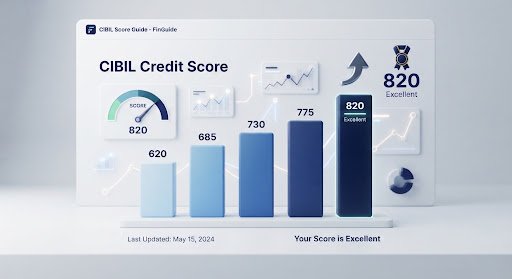
What is a CIBIL Score?
A CIBIL Score is a three-digit summary of your credit history and creditworthiness, ranging from 300 to 900. A higher score generally indicates a stronger credit profile and can improve your chances of getting credit.
Lenders evaluate this score to determine your creditworthiness before approving loans or credit cards. A higher score indicates a lower risk of default, often resulting in quicker approvals, lower interest rates, and higher credit limits.
The Institutional Scale
(300-549)
(550-649)
(650-749)
(750-900)
What Affects Your Score?
Your CIBIL score is determined by several key factors. Understanding the weight of each can help you strategically improve your credit profile.
Payment History
Paying EMIs and credit card bills on time helps maintain a healthy credit profile. Late or missed payments may negatively affect your CIBIL Score.
Credit Utilisation
Using a high proportion of your available credit may indicate greater credit risk. Keeping utilisation low can support a healthier credit profile.
Credit History
A longer history of responsibly managed credit gives lenders more information about your credit behaviour.
Credit Mix
A healthy mix of secured and unsecured credit can contribute positively to your credit profile.
Hard Enquiries
Multiple hard enquiries within a short period may negatively affect your score.